
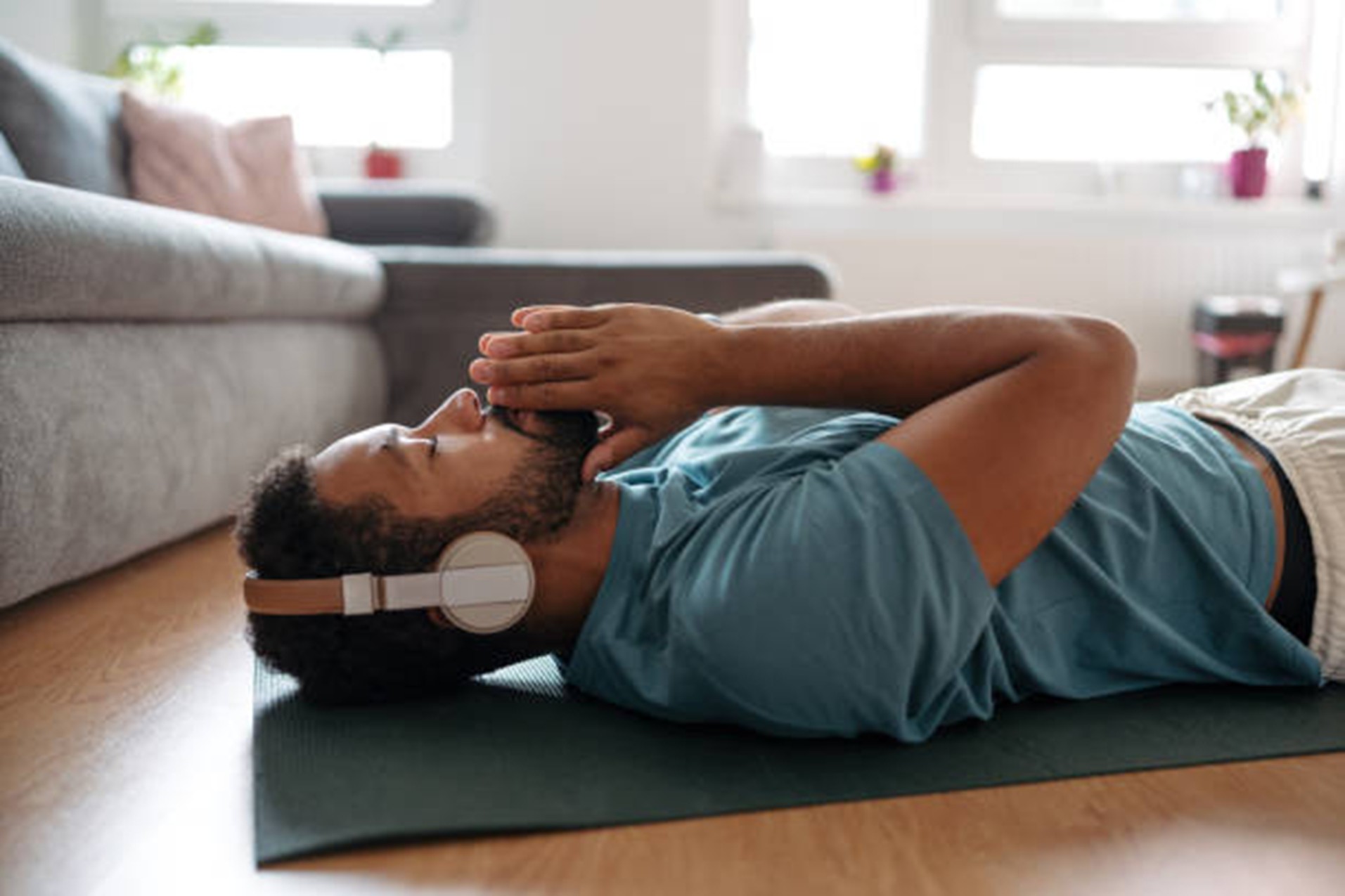
Anxiety spirals can start quietly. A single thought turns into ten more. Your chest feels tight, your mind races, and suddenly everything feels urgent at once. Sound familiar?
If you have ever lain awake replaying conversations, imagined worst-case scenarios during the day, or felt emotionally exhausted from overthinking, you are not alone. Anxiety disorders affect hundreds of millions of people worldwide, making them one of the most common mental health struggles today. Research from the Global Burden of Disease study estimated more than 300 million people globally were living with anxiety disorders.
That number matters because anxiety often convinces people they are struggling alone. But many people are quietly carrying the same racing thoughts, emotional overwhelm, and constant mental tension.
This is where mindfulness coaching can help, not by forcing your thoughts to disappear overnight, but by helping you slow the spiral before it takes over completely. Sometimes, even five minutes of grounding can change the direction of your day.
Why Anxiety Spirals Feel So Overwhelming
An anxiety spiral happens when the brain keeps feeding fear, stress, or worry without a pause. One anxious thought leads to another, and the body reacts as if danger is happening right now.
You may notice:
- Fast heartbeat
- Shallow breathing
- Trouble focusing
- Feeling emotionally flooded
- Constant “what if” thinking
- Feeling disconnected from yourself
When this happens repeatedly, the nervous system stays stuck in alert mode. That is why calming tools matter. They create small interruptions in the spiral so your body and mind can reset.
Many people turn to spiritual coaching, grounding practices, and reflective healing support because they want tools that feel gentle, practical, and emotionally safe.
How Mindfulness Coaching Helps During Anxiety Spirals
Mindfulness coaching teaches you how to notice what is happening internally without immediately panicking or reacting. Instead of fighting every anxious thought, you learn how to slow down enough to respond differently.
Research has shown that mindfulness-based practices may help reduce anxiety symptoms, emotional reactivity, and stress levels over time. They are commonly used alongside therapy, journaling, breathwork, and other forms of support.
Most importantly, mindfulness is not about becoming perfectly calm all the time. It is about creating small moments of awareness when your mind feels chaotic.
Below are several tools you can try in under five minutes.
Quick Mindfulness Coaching Tools for Anxiety Spirals
1. The “Name Five Things” Grounding Reset
When anxiety pulls you into racing thoughts, grounding helps bring attention back to the present moment. This tool works because anxiety often traps people inside imagined situations. Grounding reconnects the brain to what is physically happening right now.
How to use it
Step 1: Pause where you are
Step 2: Look around slowly
Step 3: Name:
- 5 things you can see
- 4 things you can touch
- 3 things you can hear
- 2 things you can smell
- 1 thing you can taste
Take your time with each step. You are teaching your nervous system that you are here, safe, and present.
This simple practice is commonly used in self-awareness coaching because it strengthens awareness of the body instead of getting trapped in looping thoughts.
2. The 4-6 Breathing Method
Anxiety changes breathing patterns quickly. Many people begin taking shallow breaths without realizing it, which can increase dizziness, tension, and feelings of panic.
Slower breathing sends calming signals to the nervous system.
How to use it
Step 1: Sit comfortably or place one hand on your chest
Step 2: Breathe in through your nose for 4 seconds
Step 3: Slowly exhale through your mouth for 6 seconds
Step 4: Repeat for 1 to 3 minutes
The longer exhale matters because it encourages the body to relax instead of staying in “fight or flight” mode.
Do not worry about breathing perfectly. Even slowing down slightly can help interrupt the spiral.
3. The “What Is Actually Happening Right Now?” Pause
Anxiety often pushes the brain far into the future. This tool helps separate imagined danger from what is truly happening in the moment.
It is especially helpful for overthinkers.
How to use it
Step 1: Stop and sit still for a moment
Step 2: Ask yourself:
- What is actually happening right now?
- What story is my anxiety adding?
- What facts do I truly know?
Step 3: Answer honestly without judging yourself
For example:
“My boss has not replied yet” is a fact.
“They must hate my work, and I will lose my job” is the anxiety story.
This practice can reduce emotional intensity because it slows automatic fear-based thinking.
4. Hand-to-Heart Reassurance
Many anxious people speak harshly to themselves during stressful moments. They criticize themselves for feeling emotional, sensitive, or overwhelmed.
This tool may feel simple, but emotional reassurance can help regulate the nervous system.
How to use it
Step 1: Place your hand over your heart or chest
Step 2: Take one slow breath
Step 3: Say quietly:
o “I am safe right now.”
o “This feeling will pass.”
o “I do not have to solve everything today.”
The goal is not toxic positivity. The goal is emotional steadiness.
This type of practice is often included in emotional healing services because emotional safety matters during healing work.
5. The “Move the Energy” Reset
Anxiety is not only mental. It also builds physically inside the body. Some people feel it in their jaw, shoulders, stomach, or chest.
Gentle movement can help release that tension.
How to use it
Step 1: Stand up slowly
Step 2: Roll your shoulders backward ten times
Step 3: Shake out your hands
Step 4: Stretch your neck gently side to side
Step 5: Walk slowly for one minute while focusing on your steps
This tells the body that it does not need to stay frozen in stress mode.
Many forms of spiritual wellness coaching include body awareness because emotional overwhelm often lives physically as well as mentally.
6. The One-Minute Thought Dump
Some anxiety spirals grow stronger because thoughts stay trapped internally. Writing them down can reduce mental pressure.
How to use it
Step 1: Open your phone’s notes app or grab paper
Step 2: Set a timer for one minute
Step 3: Write every anxious thought without editing
Do not organize it. Do not make it pretty. Just release it.
Afterward, ask: “Which of these thoughts actually needs my attention today?”
This helps separate urgent thoughts from emotionally noisy ones.
7. The Head-to-Toe Body Scan
When anxiety spirals happen, many people disconnect from their bodies without realizing it. Their thoughts become so loud that they stop noticing physical tension, shallow breathing, clenched muscles, or even where they are sitting. A body scan helps bring attention back into the body slowly and safely.
This technique is commonly used in mindfulness coaching because it teaches the nervous system to slow down and reconnect with the present moment.
How to use it
Step 1: Sit down or lie somewhere comfortable
Step 2: Press your feet gently into the ground or surface beneath you
Step 3: Take one slow breath in and out
Step 4: Slowly bring your attention to each part of your body, starting from your toes
Notice:
- Your feet touching the floor
- Your legs against the chair
- Tightness in your stomach
- Your shoulders are holding tension
- Your jaw clenching
- The feeling of air moving in and out
Step 5: As you notice tension, do not judge it. Simply say to yourself, “I notice this feeling.”
The goal is not to force the anxiety away. The goal is to help your body feel heard instead of ignored. Many people feel calmer because the mind finally stops racing long enough to reconnect with the body.
Conclusion
Anxiety spirals can make the world feel very small. They can convince you that you are failing, falling behind, or carrying too much alone. But moments of calm are still possible, even in the middle of overwhelming days. Sometimes healing starts with something as small as using one mindfulness coaching tool that includes one slower breath, one grounding exercise, or one honest pause with yourself.
You do not need to have everything figured out before reaching for support. You only need a starting point. At Inner Dragon Sacred Healing, we offer compassionate support for people who feel emotionally overwhelmed, disconnected, or stuck in cycles of anxiety and self-doubt. Book an appointment today!
FAQs
Can mindfulness coaching help with nighttime anxiety?
Yes. Many people use mindfulness coaching tools before bed to slow racing thoughts, relax the body, and create a calmer nighttime routine.
How quickly do grounding techniques work?
Some people feel calmer within minutes, while others need regular practice before noticing a stronger effect. Consistency matters more than perfection.
Is spiritual coaching helpful for emotional overwhelm?
For some people, spiritual coaching provides a supportive space to reflect, process emotions, and reconnect with themselves during stressful periods.
What if mindfulness makes me feel more emotional at first?
That can happen. Slowing down sometimes brings emotions to the surface that were being avoided. Gentle pacing and supportive guidance can help make the process feel safer.
Can anxiety feel physical even when nothing is wrong medically?
Yes. Anxiety can create physical symptoms like chest tightness, stomach discomfort, muscle tension, dizziness, or fatigue because the nervous system stays in a heightened stress state.